The arrival of Dorian Gray Broadway adaptations marks one of the most intriguing developments in modern theatre. As interest surges around new productions inspired by Oscar Wilde’s immortal novel The Picture of Dorian Gray, Broadway audiences are witnessing a resurgence of gothic storytelling, philosophical drama, and innovative stagecraft. With contemporary creatives reinterpreting Wilde’s tale of beauty, corruption, and eternal youth, Dorian Gray is transitioning from classic literature into a bold theatrical experience that speaks directly to today’s culture.
This in-depth guide explores how Dorian Gray is evolving for the Broadway stage, why the story still resonates, what audiences can expect from upcoming or developing productions, and how modern theatre technology is reshaping iconic characters. Whether you are a theatre enthusiast, Wilde scholar, or someone curious about the next major Broadway spectacle, this article breaks down every essential detail.
The Enduring Allure of Dorian Gray and Its Path to Broadway
Every era finds its own meaning in Dorian Gray, and Broadway producers have long recognized the story’s dramatic potential. Wilde’s novel blends psychological horror, dark romanticism, and sharp social commentary, all of which translate naturally to the stage. Yet for decades, its thematic complexity and visual demands made theatrical adaptation challenging. The plot revolves around a portrait that ages and decays while its subject remains physically untouched. Bringing that supernatural element to life requires a mix of artistry, technology, and bold creative direction.
Broadway audiences today are more visually sophisticated than ever. With projections, motion graphics, transformative set design, and lighting innovations comparable to film production, theatres can finally capture the eerie metamorphosis that defines Dorian’s downfall. As a result, the Broadway ecosystem is fertile ground for a modern adaptation that honors Wilde’s artistry while embracing cutting-edge stagecraft.
Another reason the story is re-emerging is its cultural relevance. Themes such as vanity, influence, moral compromise, and obsession with youth feel sharper than ever in an age defined by social media and digital identity. Dorian Gray’s descent mirrors the pressures of contemporary image-driven culture, offering the kind of layered narrative Broadway audiences increasingly crave.
How Modern Storytelling Techniques Are Transforming Dorian Gray for the Stage
Theatrical reimaginings of classic literature are not new, but the current wave of interest surrounding dorian gray demonstrates how reinterpretation can feel daring rather than derivative. Directors are exploring mixed-media performance, nonlinear timelines, and symbolic stage elements to depict Dorian’s psychological unraveling.
One emerging trend is the use of a single performer—or even multiple performers—to represent different facets of Dorian’s identity. Some productions experiment with having multiple actors embody the character’s shifting persona as he descends deeper into corruption. Others use high-definition video to create the illusion of Dorian interacting with his own portrait in real time.
This approach gives the story an emotional immediacy rarely achievable on film. Live theatre heightens the tension between Dorian’s ageless beauty and his decaying moral core. Audiences are forced to confront the contrast right in front of them, sometimes quite literally side-by-side onstage.
Another trend involves recontextualizing the narrative setting. While Wilde’s original novel is rooted firmly in Victorian London, stage adaptations often place the action in modern or timeless environments. This flexibility enables producers to emphasize the story’s universal moral questions. The world of fashion, celebrity culture, digital influencers, and performance art all lend themselves naturally to a reimagined Dorian Gray Broadway adaptation.
Why Broadway Is the Perfect Home for Dorian Gray
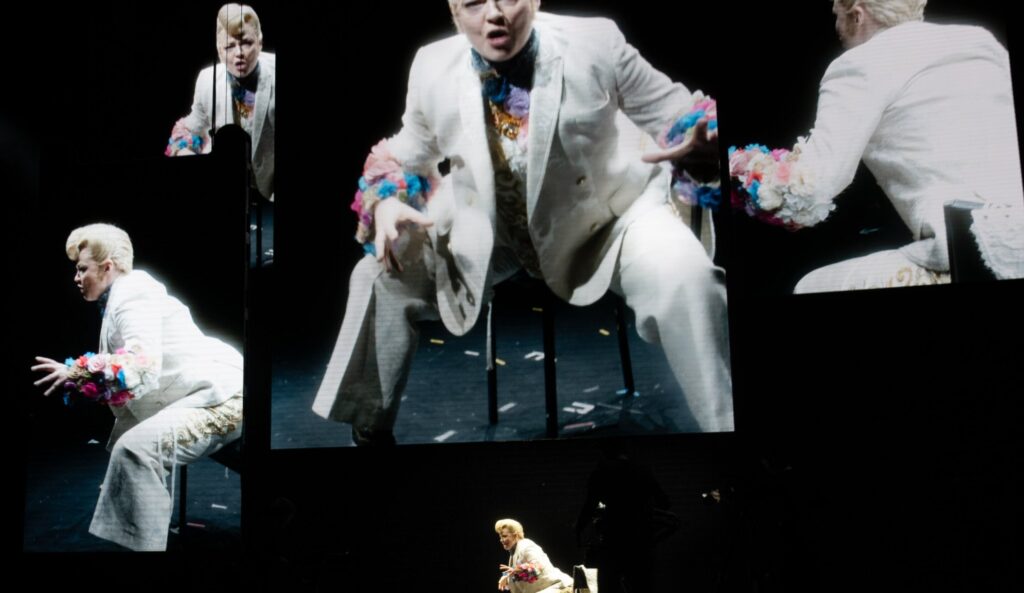
Broadway thrives on narratives that push artistic boundaries. Dorian Gray is not merely a story of vanity; it is a philosophical exploration of hedonism, identity, and the consequences of denying one’s moral responsibility. Broadway audiences appreciate works that are both visually impressive and intellectually rich, making Dorian Gray an ideal candidate for long-form theatrical storytelling.
The production potential is limitless. A live adaptation can highlight the dramatic tension between public image and private corruption. It can frame Wilde’s commentary on society’s obsession with beauty in ways that feel contemporary without losing the novel’s poetic essence. Broadway’s global platform also attracts high-profile creative teams who can elevate the material with original music, striking choreography, stylized staging, and emotionally nuanced performances.
Additionally, the themes of exploitation, temptation, and the corruption of innocence resonate strongly with younger demographics now flocking to Broadway. Productions like Hadestown, Sweeney Todd, and Moulin Rouge! have demonstrated that dark, morally complex stories can achieve commercial success when delivered with emotional intensity and stylistic flair. A Dorian Gray Broadway production fits squarely within this trend.
Exploring the Cultural Relevance of Dorian Gray Today
The timelessness of dorian gray stems from its brutal honesty. Wilde exposes society’s obsession with beauty, youth, and curated perfection—a phenomenon that has only intensified. Social media platforms reward aesthetic appeal. Algorithmic approval encourages self-presentation over authenticity. Modern audiences understand the psychological toll of maintaining an idealized identity.
A Broadway adaptation brings these pressures to life in a tangible, emotionally raw format. The stage becomes a mirror, inviting viewers to question their own relationship with vanity, insecurity, and social validation. The story’s central message is not simply that beauty corrupts but that unexamined desire is inherently destructive.
Modern productions often highlight the role of influence and manipulation. Characters like Lord Henry symbolize the seductive power of charisma and ideology. In today’s cultural landscape, where public opinion can shift overnight and young people are inundated with advice, commentary, and digital comparison, the story’s cautionary tone feels almost prophetic.
A Broadway retelling gives creators the opportunity to frame Dorian Gray not only as a gothic antihero but also as a reflection of the audience’s own vulnerabilities. This emotional relevance strengthens the case for Dorian Gray as a compelling Broadway mainstay.
How Broadway Adaptations Reinterpret the Iconic Portrait
One of the greatest creative challenges is portraying the infamous portrait that documents Dorian’s moral decay. Wilde described it with chilling detail, allowing readers’ imaginations to fill in the horror. Theatre must translate this internal image into something visually compelling.
Various productions over the years have addressed this in different ways. Some use traditional painted portraits that gradually change through lighting effects or hidden overlays. Others rely on digital projection to animate the transformation. In more avant-garde interpretations, the portrait may not be a literal image at all but a symbolic object or even another performer onstage.
The flexibility of the portrait allows each Dorian Gray Broadway adaptation to craft a unique aesthetic identity. It also provides insight into the production’s thematic priorities. A hyper-realistic portrait may suggest a focus on body horror and psychological shock. A minimalist representation may highlight the moral and philosophical dimensions rather than the supernatural.
Regardless of approach, the portrait remains the emotional core of the narrative. It embodies the cost of Dorian’s choices, making the audience complicit in witnessing his downfall.
Also Read: What Is QuikerNews.com? Features Benefits & How It Works
The Evolution of Dorian Gray in Theatre History
While Broadway interest is escalating now, Dorian Gray has a long history in theatrical experimentation. Early stage attempts often remained faithful to Wilde’s original text but struggled to capture the novel’s supernatural elements. Over time, adaptations grew bolder. Directors embraced abstraction, symbolic staging, multimedia, and modern storytelling formats to reframe the narrative.
The growing trend toward psychological theatre further positioned Dorian Gray as an ideal subject. Productions in London, Dublin, Sydney, and beyond have demonstrated the novel’s adaptability, each contributing to the foundation for a definitive Broadway incarnation.
As more contemporary creators revisit the material, the story becomes increasingly multidimensional. Directors explore themes such as queer identity, power dynamics, performative beauty, and cultural obsession with image. These reinterpretations enrich the narrative and allow Broadway to craft a version of Dorian Gray that speaks directly to modern audiences.
What Audiences Can Expect From a Broadway Production of Dorian Gray
Though individual productions will differ, several features are likely to shape future dorian gray broadway experiences. Audiences can expect atmospheric lighting, immersive sound design, and innovative use of multimedia to portray the portrait’s transformation. Complex choreography may be used to symbolize psychological conflict. Some adaptations may incorporate original music or a full score to heighten emotional impact.
Character reinterpretation will also play a central role. Dorian may be portrayed as a model, influencer, performer, or enigmatic celebrity. Lord Henry’s philosophical monologues may be reimagined as seductive commentary on modern culture. Sibyl Vane, traditionally a tragic actress, may become a rising digital or artistic talent to illustrate the fragility of ambition in a competitive world.
The pacing will likely be intense, capturing Dorian’s swift descent as his internal decay accelerates. Expect a blend of poetic dialogue, suspense, sensuality, and psychological horror. Emotional tension will build toward an explosive climax that feels both faithful to Wilde’s intentions and visually unforgettable.
Why Dorian Gray Remains a Powerful Narrative for Broadway Storytelling
At its heart, The Picture of Dorian Gray examines the conflict between desire and conscience. This universal struggle is the backbone of great drama. Broadway thrives on stories that challenge audiences to confront uncomfortable truths. Dorian’s moral collapse forces viewers to consider the cost of their own ambitions and the lengths people go to secure admiration.
The novel’s philosophical depth also creates opportunities for emotionally charged performances that resonate long after the curtain falls. Actors playing Dorian must navigate innocence, charm, arrogance, fear, and madness—a transformation that demands extraordinary skill and stage presence. This complexity makes Dorian Gray a coveted role for rising stars and seasoned performers alike.
Broadway is also uniquely capable of blending entertainment with introspection. A successful Dorian Gray stage adaptation would not simply retell a classic story but elevate it, encouraging audiences to reflect on their own values and vulnerabilities. This is what sets Broadway apart as a storytelling medium.
Also Read: MenSeekingMenIndy Guide Dating Connections & Local Tips
The Future of Dorian Gray Broadway Adaptations
As interest grows, multiple creative teams are exploring potential Broadway pathways for Dorian Gray. Producers are considering dramatic plays, musical interpretations, mixed-media performances, and experimental hybrids that blur genre boundaries. The next major adaptation could be a psychological thriller, a lavish spectacle, or a dark musical with a contemporary score.
The flexibility of Wilde’s narrative ensures endless possibilities. Technology continues to expand what is visually achievable onstage. Audience appetite for reimagined classics remains strong. As a result, Dorian Gray is positioned to become one of the most talked-about Broadway projects of the decade.
Future adaptations may lean into modern themes such as artificial intelligence, digital identity, or cosmetic culture. Some may explore the queer subtext with greater openness. Others may foreground the philosophical debate between hedonism and morality.
What is certain is that Dorian Gray will continue evolving. Broadway’s interpretation will shape cultural conversations just as Wilde’s novel once did, ensuring that Dorian remains an enduring symbol of beauty, corruption, and the human desire to escape consequence.
Conclusion
The rising interest in Dorian Gray Broadway productions reflects the enduring power of Oscar Wilde’s masterpiece. As theatre technology advances and cultural conversations evolve, Dorian Gray becomes more relevant—not less. Broadway provides the ideal stage for this story’s moral complexity, visual demands, and emotional impact.
A modern adaptation can illuminate contemporary anxieties about image, influence, and identity while honoring the gothic elegance of the original text. By merging innovative stagecraft with Wilde’s timeless themes, Broadway has the potential to deliver a definitive version of Dorian Gray that captivates audiences for decades.
The story’s allure has survived more than a century because it confronts fears and desires that are deeply human. On Broadway, those emotions gain new dimensions. As creative teams continue to push artistic boundaries, the future of dorian gray on the Broadway stage promises to be as provocative, immersive, and unforgettable as the novel itself.
FAQs
Is there a confirmed Dorian Gray Broadway production?
Broadway interest is strong, and multiple creative teams have explored adaptations. Announcements vary by season, but the demand for a major production is growing rapidly.
Will a Broadway adaptation stay faithful to Oscar Wilde’s novel?
Most modern adaptations remain loyal to the novel’s core themes while updating the setting, staging, or character dynamics to resonate with today’s audiences.
What makes Dorian Gray suitable for Broadway?
The story’s blend of psychological drama, gothic horror, philosophical tension, and visual spectacle aligns perfectly with Broadway’s strengths and audience expectations.
How might the iconic portrait work on stage?
Directors may use projection, digital animation, physical art, symbolic elements, or multimedia illusions to portray the portrait’s transformation.